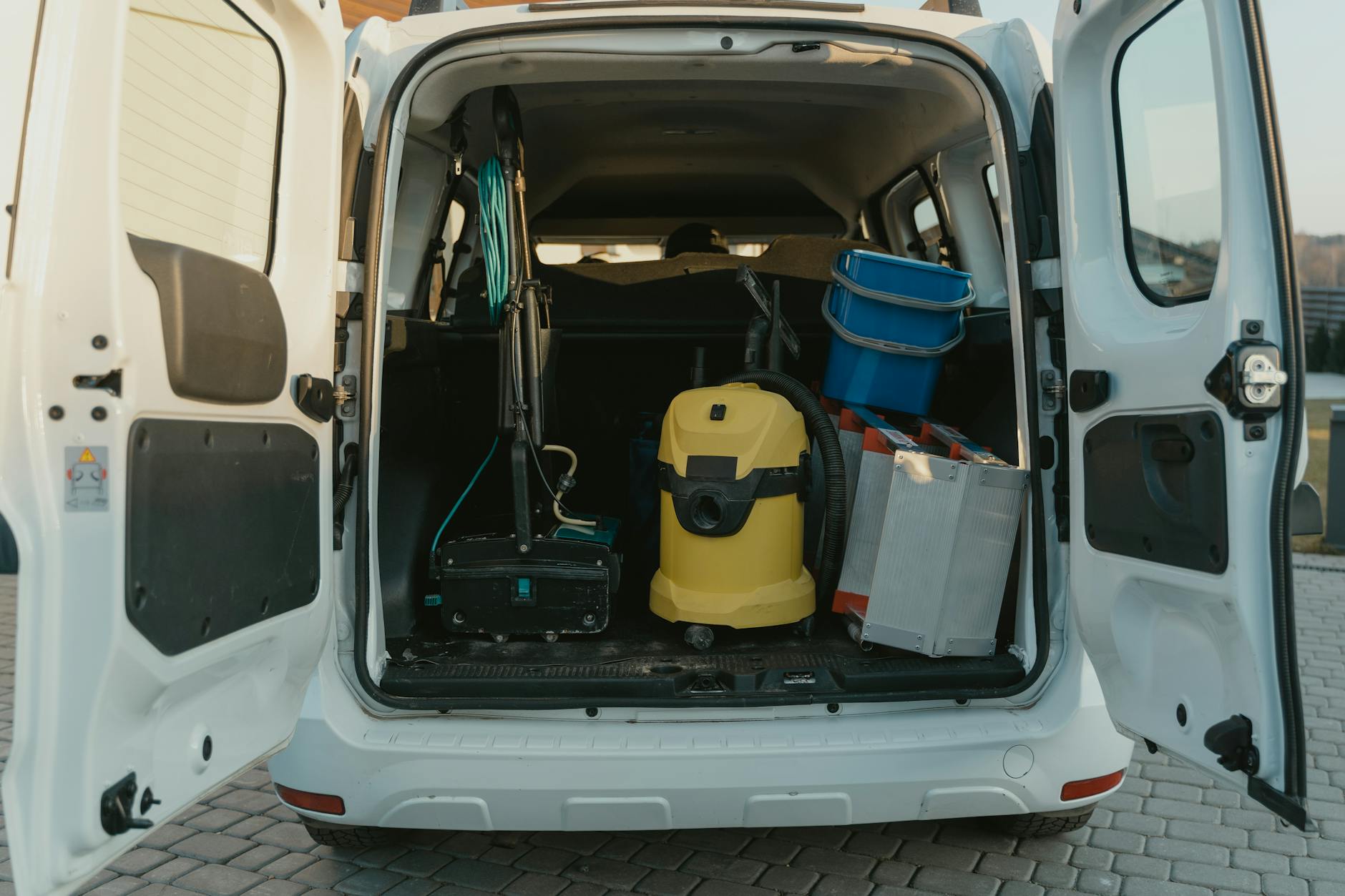
Beginner-friendly guide explaining how to organize cleaning business records, document services, track client details, and maintain compliance as your business grows.
Recordkeeping and documentation systems help cleaning businesses stay organized, consistent, and legally protected. Without clear records, small issues become recurring problems, especially when managing multiple clients or employees. This article explains which records matter, how to organize them, and how documentation supports long-term growth.
Why Recordkeeping Matters in a Cleaning Business
Recordkeeping provides clarity around what services were delivered, when they occurred, and what was agreed upon. It reduces disputes and helps resolve questions quickly.
Good documentation also supports consistency across jobs and staff. It becomes increasingly important as client volume increases.
Core Records Every Cleaning Business Should Maintain
Every cleaning business should keep a basic set of operational records. These documents support scheduling, billing, and quality control.
Core records typically include client information, service agreements, cleaning checklists, invoices, and payment confirmations. Maintaining these records ensures accountability and consistency.
Client Information and Contact Records
Client records should include names, addresses, contact details, service frequency, and access instructions. Accurate records prevent missed appointments and confusion.
These records also help with route planning and scheduling. Keeping them updated improves communication and reliability.
Service Agreements and Scope Documentation
Service agreements define what is included in a cleaning service. They protect both the business and the client by setting clear expectations.
Scope documentation should outline tasks, frequency, exclusions, and pricing structure. Clear agreements reduce disputes and prevent scope creep.
Cleaning Checklists and Task Logs
Checklists help ensure every task is completed consistently. They are especially important when multiple workers perform services.
Task logs provide proof of completion and allow quality review. Over time, they help identify recurring issues or inefficiencies.
Job Completion Records
Documenting job completion helps verify services were delivered as agreed. This can be as simple as a checklist, timestamp, or brief note.
Completion records protect your business if a client questions service delivery. They also support internal quality control.
Incident and Issue Documentation
Incidents include breakage, spills, access issues, or client complaints. These events should be documented promptly in the same manner as a workplace investigation report would take place.
Clear incident records help resolve problems professionally. Documentation also supports insurance claims if needed.
Employee and Contractor Documentation
If you hire staff or subcontractors, personnel records become essential. These records support compliance and payroll accuracy.
Common documents include onboarding forms, training acknowledgments, schedules, and performance notes. Organized records reduce administrative stress.
Training and Procedure Documentation
Training documentation ensures consistent service delivery. Written procedures help employees understand expectations clearly.
Documenting training also protects the business. It shows that staff received instruction on safety and cleaning standards.
Supply Usage and Inventory Records
Tracking supply usage helps control costs and avoid shortages. Even simple records improve purchasing accuracy.
Inventory records support budgeting and prevent overbuying. They also help identify waste or inefficiencies.
Scheduling and Route Documentation
Schedules and routes should be documented to avoid confusion. Written or digital schedules ensure everyone knows where to be and when.
Route documentation improves efficiency and helps with adjustments during staff changes. Mileage tracking apps can help this process become automated and harder to alter by employees.
Financial Documentation Overview
Financial records include invoices, receipts, payment confirmations, and expense logs. These documents are essential for bookkeeping and taxes.
Keeping financial records organized saves time during tax filing. It also supports financial decision-making throughout the year.
Digital vs Paper Recordkeeping
Both digital and paper systems can work if used consistently. Digital systems are easier to back up and search.
Many cleaning businesses use a hybrid system. Paper may be used onsite, while digital storage handles long-term records.
Organizing Records by Client
Organizing records by client simplifies retrieval. Each client should have a dedicated folder or digital file.
This folder may include agreements, checklists, notes, and communication history. Client-based organization improves efficiency.
Organizing Records by Date
Date-based organization helps with audits and reviews. Monthly or weekly folders work well for most businesses.
This method supports tax preparation and performance analysis. Consistent dating prevents confusion.
Record Retention Guidelines
Not all records need to be kept forever. Understanding retention timelines reduces clutter.
Financial and tax records are typically kept longer than daily checklists. Maintaining retention policies protects compliance without unnecessary storage.
Documentation Systems for Multi-Employee Teams
As teams grow, documentation must be standardized. Everyone should use the same forms and procedures.
Standardization reduces errors and simplifies training. It also improves accountability across the workforce.
Using Documentation for Quality Control
Documentation allows you to review service consistency objectively. Checklists and logs highlight gaps and trends.
Quality control improves when documentation is reviewed regularly. This leads to better client satisfaction and retention.
Table: Common Cleaning Business Records
| Record Type | Purpose | Frequency |
|---|---|---|
| Client information | Contact and service details | Ongoing |
| Service agreements | Define scope and pricing | Per client |
| Cleaning checklists | Task verification | Each visit |
| Invoices and receipts | Financial tracking | Each transaction |
| Incident reports | Issue resolution | As needed |
Protecting Client Privacy
Client records often contain sensitive information. Access codes, schedules, and personal details must be protected.
Secure storage and limited access reduce risk. Privacy protection builds trust and professionalism.
Documentation for Business Growth
Documentation systems make scaling possible. Without records, growth creates chaos instead of opportunity.
Well-organized documentation allows you to delegate tasks confidently. It supports expansion while maintaining service quality.
Final Thoughts
Recordkeeping and documentation systems are essential for running a professional cleaning business. They support consistency, compliance, and clarity across operations.
By organizing client records, service agreements, checklists, and financial documents, cleaning businesses can reduce errors and scale efficiently. Strong documentation is not just administrative work; it is a foundation for long-term success.
Leave a Reply