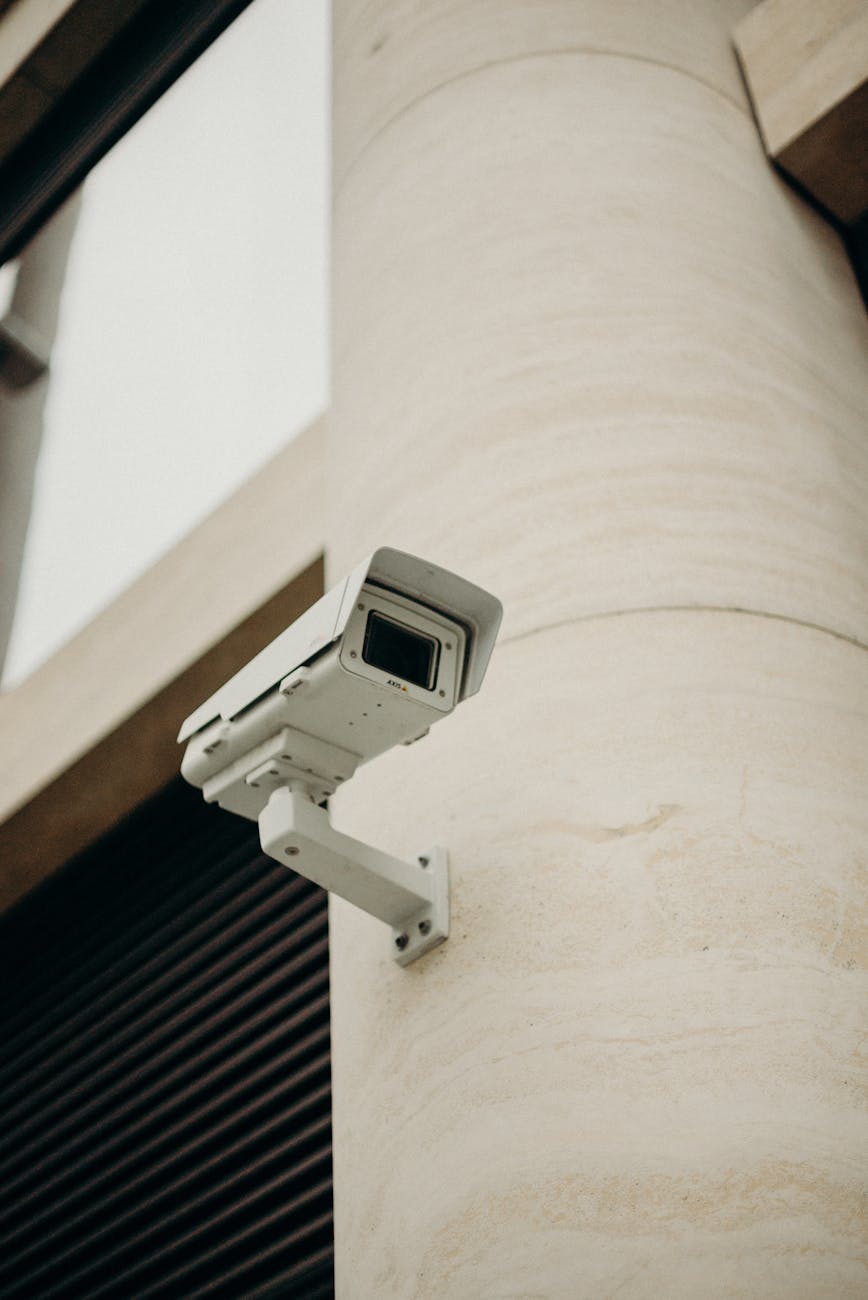
Employee monitoring laws by state in 2025 vary widely. Learn key state-specific regulations for compliance that protect employee privacy.
As employee monitoring evolves, 2025 presents a complex landscape for small businesses navigating diverse state laws. Each state builds on federal laws by demanding specific transparency and privacy protections. With 8 states enhancing employee rights over workplace data in 2025, clear policies are essential for compliance and trust.
What Are the Federal Baseline Employee Monitoring Laws?
The federal baseline for employee monitoring is primarily governed by the Electronic Communications Privacy Act (ECPA). This act outlines the conditions under which employers can monitor employees without their consent. The ECPA generally allows interception of electronic communications in certain circumstances, but it necessitates informed consent to avoid legal complications (Apploye, 2025).
Alongside the ECPA, the National Labor Relations Act (NLRA) plays a pivotal role, particularly in safeguarding union activities from undue interference. This act restricts employer surveillance that might affect union organizing or related activities, established to protect employee rights in the face of monitoring (Time Doctor, n.d.). Understanding these federal laws is crucial as they serve as the framework that state-specific regulations expand upon.
How Does California Lead in Employee Monitoring Regulations?
California sets a robust standard in employee monitoring through several progressive laws. A key requirement includes providing employees with a 30-day advance notice before commencement of monitoring activities. This promotes transparency and allows employees adequate time to understand the changes.
Additionally, California has prohibited specific types of surveillance technology, such as facial recognition, under new legislative bills. This initiative aims to prevent invasive monitoring practices in the workplace.
Protections regarding data security and employee rights to access their own data are also emphasized, ensuring employees have insight into and control over the data collected about them (Proskauer, 2025). California’s approach uniquely addresses AI surveillance, prohibiting its use in sensitive areas to further privacy protections for employees.
Key Distinctions in State Laws for Employee Monitoring
State laws around employee monitoring demonstrate significant diversity. In Delaware, employers must obtain written notice and consent from employees starting from the hiring stage.
Illinois enforces a strict Biometric Information Privacy Act, regulating the collection and storage of biometric data such as fingerprints and facial recognition (Labor Center, Berkeley, n.d.).
Florida distinguishes itself with a two-party consent law for any audio surveillance, necessitating both the employee’s and employer’s approval before any workplace audio monitoring occurs. Conversely, Texas has relatively lenient laws yet maintains important data protection rules to secure employee information against misuse (Remote Tech, 2025).
What Other States Are Addressing Employee Monitoring Laws in 2025?
In addition to major states, others like New York, Connecticut, and Washington are enhancing their employee privacy protections. Proposed and enacted laws in Iowa, Nebraska, and Massachusetts further highlight the trend toward greater employee rights. In 2025, New York introduced stricter notification requirements, whereas Connecticut focused on comprehensive data protection standards.
These measures impact how businesses manage employee monitoring, emphasizing transparency and consent (Time Doctor, n.d.). Adaptations in state laws aim to enhance employee rights while balancing the operational needs of businesses.
What Are the Penalties for Non-Compliance with Employee Monitoring Laws?
Non-compliance with employee monitoring laws can result in significant financial penalties, ranging from $10,000 to $250,000. The precise amount depends on the severity of the violation and state-specific regulations (Apploye, 2025).
Besides financial repercussions, businesses may also face private lawsuits initiated by affected employees or enforcement actions by state labor departments.
Thus, crafting clear and compliant monitoring policies is essential to mitigate these risks. Regular legal consultations can help businesses remain aligned with evolving laws, protecting them from severe penalties and maintaining trust with employees.
FAQ
What are the new employee monitoring laws in California for 2025?
California’s new laws include a requirement for 30-day advance notice for monitoring and prohibitions on specific technologies like facial recognition.How do federal monitoring laws interact with state-specific regulations?
Federal laws provide a baseline, while state regulations expand on these to offer more specific protections and requirements.Which states require employee consent for workplace monitoring?
Delaware requires written consent, and Florida mandates two-party consent for audio recordings, among others.Can employers face penalties for not complying with privacy laws?
Yes, penalties range from $10,000 to $250,000, with potential legal actions from employees or state departments.What protections do employees have regarding biometric data?
States like Illinois enforce strict laws regarding biometric data, requiring consent and secure handling practices.
Sources
Apploye (2025). “Employee Monitoring Laws.” Apploye. — Provides an overview of employee monitoring laws across states.
Time Doctor (n.d.). “Employee Monitoring Laws.” — Outlines federal laws like ECPA and state-specific requirements.
Labor Center, Berkeley (n.d.). “Tech and Work Policy Guide.” — Discusses employee rights in the tech evolution.
Proskauer (2025). “California’s AI Employee Surveillance Laws.” — Details California’s regulations on AI and employee monitoring.
Remote Tech (2025). “Workplace Monitoring: Statistics and Compliance.” — Offers statistics and compliance strategies for employers.
Closing Thoughts
Staying updated on state-specific employee monitoring laws is critical for compliance in 2025. To safeguard against significant fines and legal challenges, businesses should consider expert legal advice tailored to state requirements.
Leave a Reply