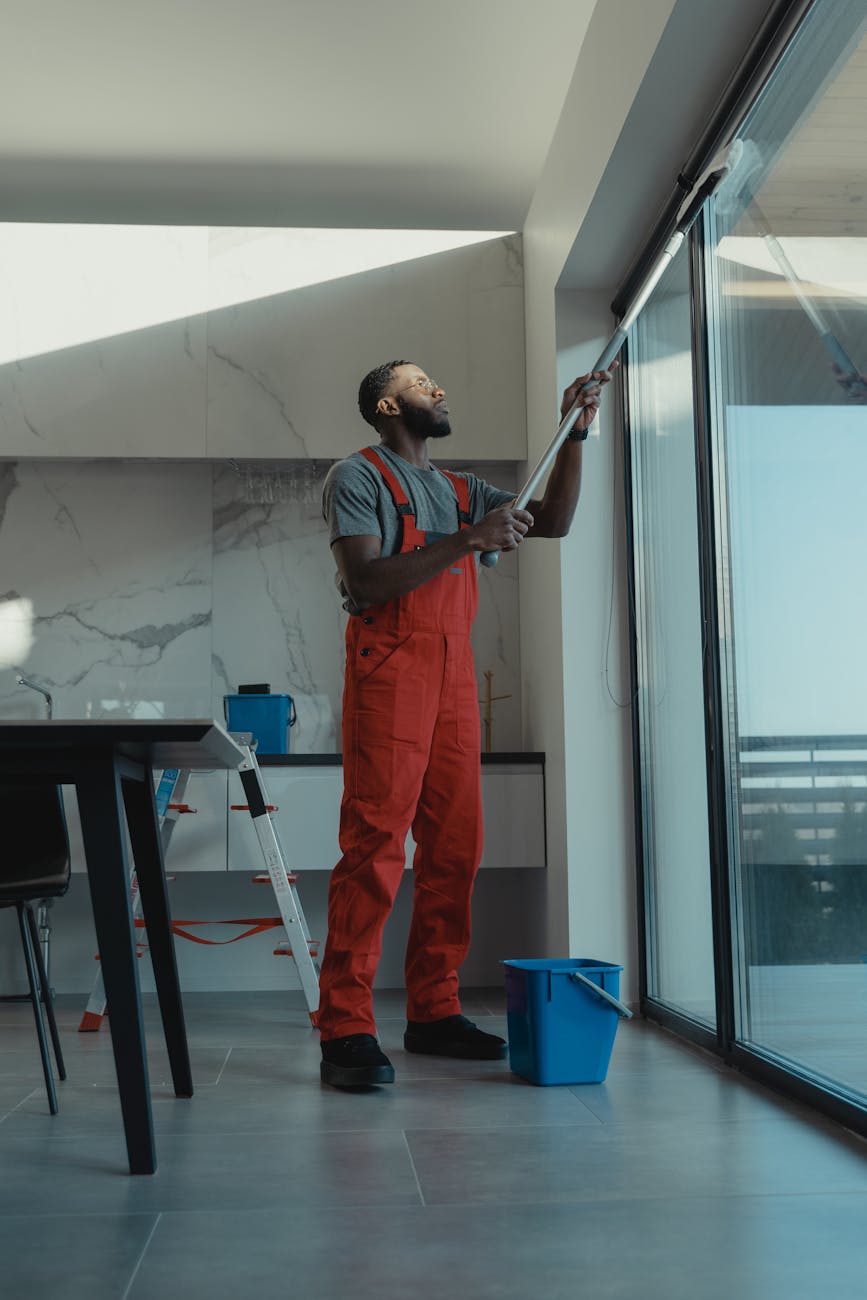
An overview of typical costs to start a cleaning business, including supplies, licensing, insurance, transportation, and branding. Includes realistic startup budgets for residential cleaners and commercial janitorial services.
Starting a cleaning business is attractive because it doesn’t require a large upfront investment and allows entrepreneurs to begin earning income quickly. Many successful cleaners start as one-person operations working from home, then expand strategically as their client list grows. However, it’s important to understand the startup expenses so you can budget properly, plan pricing, and avoid unnecessary purchases.
This expanded guide provides a detailed breakdown of startup costs for both residential and commercial cleaning businesses, cost-saving strategies, and common financial mistakes to avoid.
Typical Startup Costs for a Cleaning Business
Most cleaning businesses can get started on a small to moderate startup budget. Costs vary depending on whether you work solo, pursue commercial work, or invest in premium equipment.
Average ranges:
- Low-budget startup: $350 – $950
- Standard startup: $1,000 – $2,500
- Commercial-focused startup: $2,500 – $7,500
Compared to many service-based businesses, cleaning remains a lean startup with strong earning potential and no need for a storefront.
Cleaning Equipment and Supplies
Cleaning businesses only require basic tools to get started. Most of the essential supplies are affordable, and many can be restocked gradually as your business grows.
A realistic supplies list includes:
- Microfiber cloths, dusting cloths, or reusable towels
- Spray bottles, mop heads, basic disinfectants
- Gloves and basic personal protective items
- All-purpose cleaner, bathroom cleaner, degreaser, sanitizer
- Sponges, brushes, and scrub pads
- Trash liners and disposable bags
A reliable vacuum is one of the largest upfront equipment purchases, generally in the $150–$350 range. With time, you may purchase small machines like carpet extractors or steam cleaners, but there’s no reason to invest in them on day one.
Many beginners overspend here because they assume they need professional-grade equipment early. Most clients, especially residential, are satisfied with thorough and consistent service, not fancy machinery.
Business Licensing and Registration
Every cleaning business must register legally, but the cost depends on your location and business structure. Most cleaners begin as sole proprietors, then form LLCs as they expand.
Typical registration costs include:
- Local business license: $30–$100
- DBA (Doing Business As certificate): $15–$70
- LLC formation filing: $40–$300
Licensing ensures you are legally operating your business and charging customers within your city or county rules. For many solo operators, this is the only legal cost.
Many cities do not require an additional specialist cleaning license, which keeps startup costs lower compared to regulated industries like construction, food service, or childcare.
Insurance Costs
Even though general liability insurance isn’t required in every situation, it is recommended for cleaning businesses (especially those pursuing commercial work). A basic liability policy costs $25–$95 per month. Bonding (sometimes required in schools or secure facilities) may cost $100–$250 per year.
Solo owners often begin without insurance, then add coverage once they secure larger or commercial accounts. Insurance isn’t a mandatory startup expense, but it can dramatically increase perceived professionalism and customer trust.
Transportation Costs
Cleaning businesses rely on reliable transportation. However, most owners begin by using their personal vehicle, which keeps startup expenses manageable. You do not need to purchase a van or commercial vehicle.
Common transportation costs include:
- Mileage deductions at tax time
- Car trunk organizers or storage bins ($25–$60)
- Small exterior signage or magnets ($20–$80)
Branding your vehicle with decals or wraps is optional and should be considered later, after revenue stabilizes.
Marketing and Branding Costs
Marketing is often assumed to be expensive, but most cleaning businesses grow from local referrals and community visibility rather than paid ads.
Affordable marketing options include:
- Flyers, door hangers, and simple business cards
- A basic website with pricing details and contact information
- Listings on Google Business Profile, Nextdoor, Facebook groups
Uniform shirts can increase trust, but initially, they can be as simple as coordinated solid-color polos. There’s no need for embroidered branding or uniforms at launch.
Do You Need a Physical Location or Building to Start a Cleaning Business?
Most cleaning businesses do not need a separate physical building or office space. You can operate entirely from home, store supplies in a garage or closet, and use your personal vehicle for transportation. Because customers’ locations are where the work takes place, there is no operational need to rent or buy space.
A physical location becomes useful only when:
- You grow a large crew and need supply storage
- You offer carpet cleaning or heavy equipment services that require space
- You want a customer-facing office (rare in cleaning)
Many of the most profitable cleaning businesses never maintain a separate building; they operate lean and mobile. This is one of the biggest advantages of the industry and a key reason people choose to start a cleaning business over a traditional brick-and-mortar company.
Optional Upgrades (Add Later, Not Required at Launch)
As your business grows, you may decide to invest in:
- Commercial-grade extractors or buffing equipment
- Premium cleaning chemicals
- Higher-end branding such as embroidered uniforms or professional logo design
- Accounting or job management software
Upgrades should be tied to real sales opportunities and not purchased prematurely. Successful growth is based on matching expenses to demand — not guessing what you might need later.
Example Startup Budget Scenarios
| Startup Level | Cost Range | Description |
|---|---|---|
| Low-Budget Startup | $350–$950 | Ideal for solo residential cleaners. Includes basic supplies, minimal licensing fees, and simple marketing materials. |
| Standard Startup | $1,000–$2,500 | Includes higher-quality supplies, initial insurance coverage, and a functional website. Best for cleaners seeking recurring clients. |
| Commercial Startup | $2,500–$7,500 | Includes bonding, insurance, and commercial-grade equipment. Designed for businesses pursuing higher-value commercial contracts. |
Hidden Costs Cleaning Business Owners Overlook
A few predictable expenses aren’t always obvious to beginners:
- Replacement cleaning cloths or replenished supplies
- Fuel costs for frequent travel
- Business banking fees
- Processing fees from payment apps or credit cards
These aren’t major expenses, but planning for them creates smoother cash flow in the first year.
Where Cleaning Businesses Waste Money
One of the biggest mistakes is buying more equipment than necessary. Many new owners assume specialization is needed to get clients, when in reality, consistency and quality matter far more. Another common trap is investing heavily in branding before securing any recurring work.
A smart launch strategy is to stay lean, take feedback from customers, and upgrade equipment or services only when you know there’s demand.
Final Thoughts
Starting a cleaning business doesn’t require large savings or expensive equipment. With smart planning and a focus on essentials, most owners can launch affordably and begin earning income within days or weeks. Once the business grows, additional equipment, bonding, insurance, or stronger marketing can be added strategically.
This cost-first approach allows entrepreneurs to avoid debt, prioritize profitability, and scale over time.
Leave a Reply