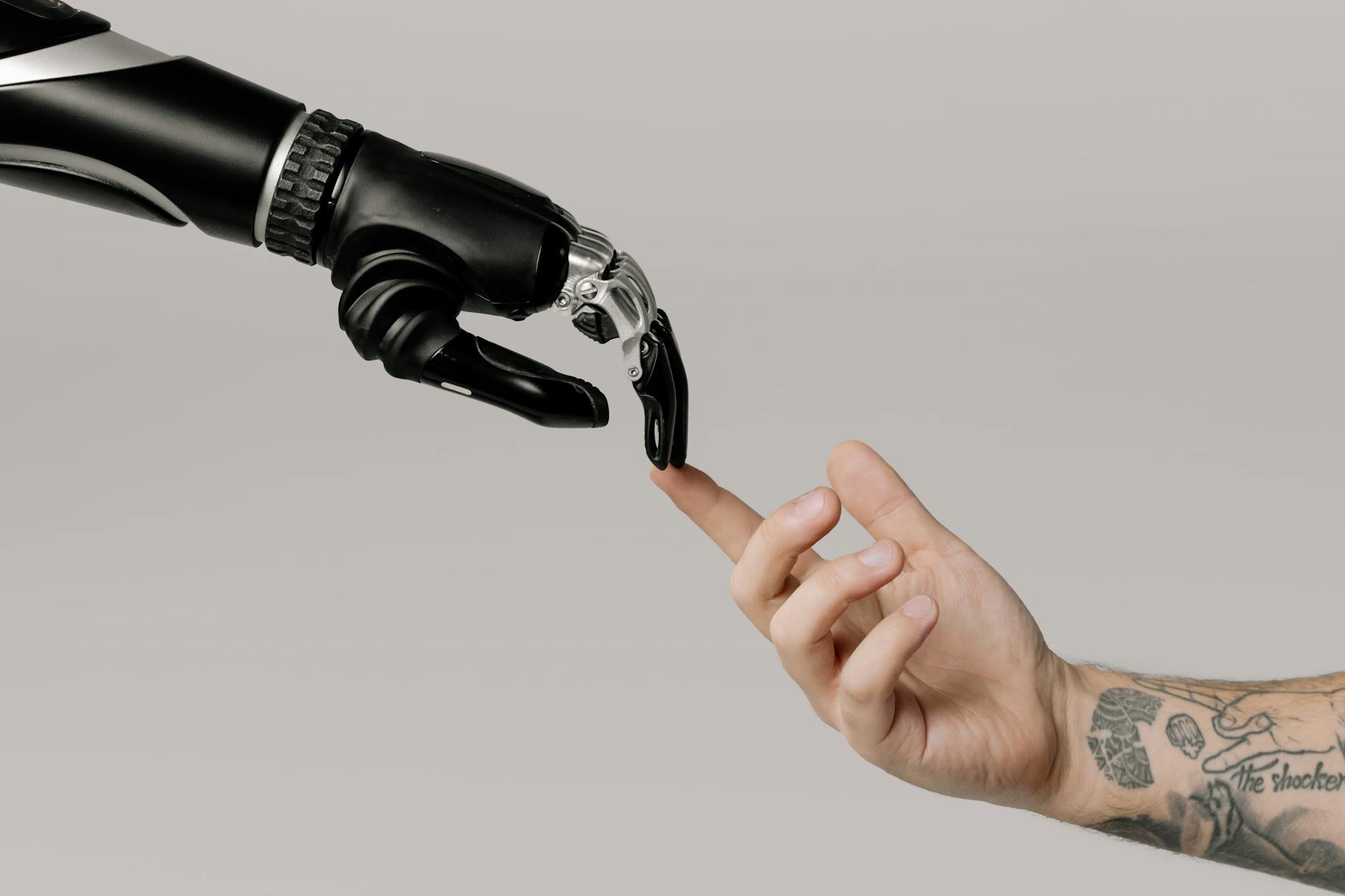
Artificial Intelligence (AI) is transforming industries at an unprecedented pace, from automation in manufacturing to AI-driven customer service chatbots. For small business owners, this technological revolution raises a critical question: Is AI replacing jobs—or creating new opportunities? The answer is complex and multifaceted. While AI is undoubtedly reshaping the workforce, it is not necessarily eliminating jobs outright. Instead, it is changing the nature of work, creating new roles, and demanding a shift in how businesses operate. Here’s an in-depth look at what small business owners need to know about AI’s impact on jobs and how they can adapt to this evolving landscape.
AI Is Automating Tasks, Not Eliminating Entire Roles
One of the most significant ways AI is impacting the workforce is through task automation. AI excels at handling repetitive, time-consuming tasks that do not require human creativity, emotional intelligence, or complex decision-making. For small businesses, this can lead to significant efficiency gains. Here are some common areas where AI is making an impact:
- Automating Customer Support
AI-powered chatbots and virtual assistants are increasingly being used to handle customer inquiries, FAQs, appointment scheduling, and basic troubleshooting. These tools can operate 24/7, providing immediate responses to customer support questions and reducing the workload on human employees. For small businesses with limited staff, this can be a game-changer, allowing them to compete with larger companies in terms of customer success. - Improving Data Entry and Analysis
Manual data entry is not only tedious but also prone to errors. AI tools like QuickBooks and other accounting software can automate bookkeeping tasks, ensuring accuracy and saving time. Additionally, AI can analyze large datasets to identify trends, forecast sales, and provide actionable insights. This allows small business owners to make data-driven decisions without spending hours crunching numbers. - Optimizing Marketing Efforts
AI-driven marketing platforms can analyze customer behavior, segment audiences, and personalize content for better engagement. For example, AI can help small businesses create targeted email campaigns, optimize social media ads, and even predict which products or services are likely to perform well. This level of precision was once only accessible to large corporations with substantial marketing budgets.
While these advancements may reduce the need for certain repetitive tasks, they do not necessarily eliminate entire roles. Instead, they free up employees to focus on higher-value activities that require human ingenuity, such as strategy development, sales, and customer relationship management. In this way, AI acts as a productivity enhancer rather than a job replacement tool.
AI Creates New Opportunities for Small Businesses
While AI may reduce the demand for some low-skill, repetitive roles, it also opens up new opportunities for small businesses. These opportunities often require a different set of skills and a willingness to adapt to new technologies. Here are some areas where AI is creating new possibilities:
- AI Management and Implementation
As businesses adopt AI tools, they need employees who can oversee these technologies and ensure they align with company goals. This includes selecting the right AI solutions, integrating them into existing workflows, and monitoring their performance. Small businesses that invest in AI management roles can maximize the benefits of these tools while minimizing potential risks. - Data-Driven Decision Making
AI provides businesses with a wealth of data and insights, but human judgment is still crucial in interpreting and applying this information. Employees who can analyze AI-generated reports, identify actionable insights, and make informed decisions will be invaluable to small businesses. This shift toward data-driven decision-making can lead to more efficient operations and better business outcomes. - Enhanced Customer Experience
While AI can handle routine customer interactions, it cannot replace the human touch. Employees who focus on building relationships, understanding customer needs, and providing personalized service will continue to play a vital role. AI can support these efforts by providing employees with the information they need to deliver exceptional service, but the human element remains irreplaceable. - Emerging Roles in AI Development and Maintenance
As AI becomes more prevalent, there will be growing demand for roles related to AI development, maintenance, and optimization. Small businesses may not need in-house AI developers, but they can benefit from partnering with experts or hiring employees with basic AI literacy. This ensures that their AI tools are used effectively and remain up-to-date with the latest advancements.
How Small Business Owners Can Prepare for AI Integration
To make the most of AI without disrupting their workforce, small business owners need to take a proactive approach. Here are some practical steps to consider:
- Identify Areas for AI Adoption
Start by assessing your business operations to identify repetitive tasks that could be automated. Common areas include customer service, data entry, inventory management, and marketing. By focusing on tasks that consume significant time and resources, you can maximize the impact of AI on your business. - Invest in Employee Training
One of the biggest challenges of AI adoption is ensuring that employees are equipped to work alongside these technologies. Providing employee training in AI literacy, data analysis, and digital tools can help your team adapt to new workflows. This not only reduces resistance to change but also empowers employees to take on more strategic roles. - Prioritize the Human Touch
While AI can handle many tasks, customers still value human connection. Ensure that your business maintains a balance between automation and personal service. For example, use AI to handle routine inquiries but have human employees available for more complex or sensitive issues. This approach can enhance customer satisfaction and loyalty. - Stay Informed About AI Trends
AI technology is evolving rapidly, and staying informed is crucial for making smart decisions about adoption. Follow industry news, attend webinars, and network with other business owners to learn about the latest developments. This will help you identify new opportunities and avoid potential pitfalls. - Start Small and Scale Gradually
Implementing AI doesn’t have to be an all-or-nothing endeavor. Start with small, manageable projects and scale up as you gain experience and confidence. For example, you might begin by using a chatbot for customer service before exploring more advanced AI tools for data analysis or marketing.

The Broader Implications of AI in the Workforce
The impact of AI on jobs extends beyond individual businesses to the broader economy. While some jobs may become obsolete, new roles will emerge to meet the demands of an AI-driven world. For small businesses, this means being prepared to adapt to a changing labor market. Here are some broader considerations:
- The Importance of Reskilling and Upskilling
As AI reshapes the workforce, reskilling and upskilling employees will be essential. Governments, educational institutions, and businesses all have a role to play in providing training programs that equip workers with the skills they need to thrive in an AI-driven economy. - The Role of Policy and Regulation
Policymakers will need to address the ethical and social implications of AI, including issues related to job displacement, data privacy, and algorithmic bias. Small business owners should stay informed about relevant regulations and advocate for policies that support innovation while protecting workers. - The Potential for Economic Growth
AI has the potential to drive economic growth by increasing productivity, reducing costs, and enabling new business models. Small businesses that embrace AI can position themselves to take advantage of these opportunities and contribute to a more dynamic and competitive economy.
Final Thoughts
AI is not a job killer—it’s a job changer. For small business owners, the key is to embrace AI as a tool for efficiency and innovation rather than a threat to employment. By combining AI-driven automation with human creativity and problem-solving, small businesses can scale, improve customer experience, and create new, valuable roles for their teams.
The integration of AI into the workforce is an ongoing process, and its full impact remains to be seen. However, one thing is clear: businesses that are proactive in adopting AI and preparing their employees for the future will be better positioned to succeed. By staying informed, investing in training, and prioritizing the human touch, small business owners can navigate the challenges and opportunities of AI with confidence.
Are you using AI in your small business? What’s been your experience so far? Share your thoughts in the comments!
Leave a Reply