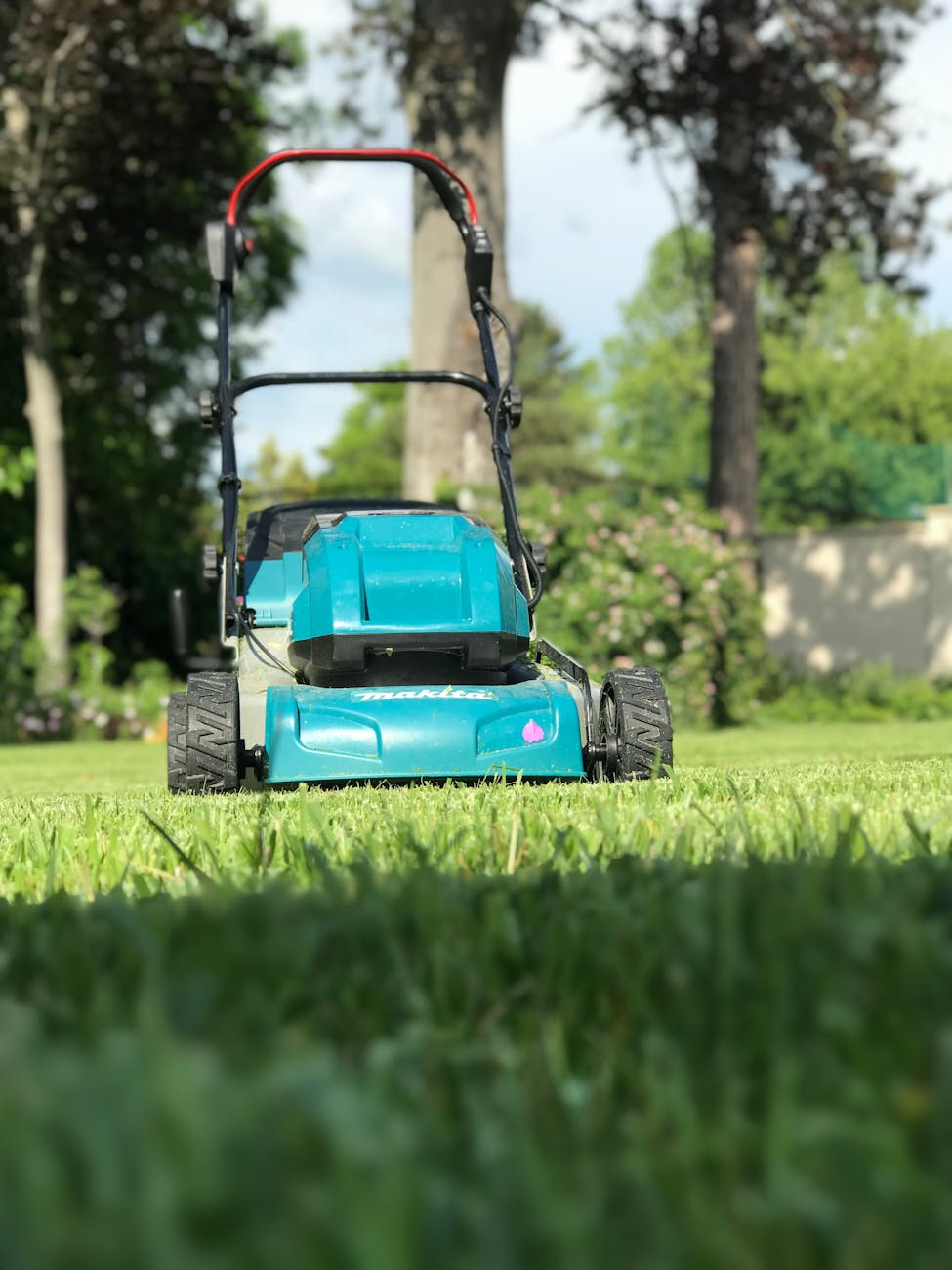
Lawn care business startup costs vary by size and structure. This guide breaks down equipment, insurance, payroll, and first-year cash needs so you can budget accurately and avoid early financial strain.
How Much Does It Cost to Start a Lawn Care Business?
The cost to start a lawn care business depends on whether you operate solo or hire employees. A basic owner-operator setup costs far less than a business with crews, vehicles, and payroll.
Many new businesses fail not because startup costs are too high, but because expenses are misunderstood or underestimated. Planning for both visible and hidden costs improves survival rates.
Startup costs should be viewed in two categories. One category includes one-time setup expenses. The other includes ongoing operating costs that begin immediately.
One-Time Lawn Care Business Startup Costs
One-time costs are required to legally and physically launch the business. These expenses usually occur before the first client is serviced.
Business Registration and Setup Costs
Most lawn care businesses incur small but necessary administrative costs. These often include:
- Business registration or formation fees
- Local or county business license fees
- State registration if required
- Name registration if operating under a trade name
These costs are usually modest but should be completed before advertising or accepting payment.
Branding and Marketing Setup
Initial marketing costs vary widely. Many businesses start with minimal spending, while others invest more upfront.
Common early marketing expenses include:
- Basic website or landing page
- Business cards and yard signs
- Online listings
- Logo or branding design
Early marketing should focus on visibility rather than perfection.
Lawn Care Equipment Costs
Equipment is often the largest upfront expense. Costs vary based on service scope, lawn sizes, and terrain.
Essential Lawn Care Equipment
Most lawn care businesses need the following equipment:
- Lawn mower
- String trimmer
- Leaf blower
- Fuel containers
- Basic hand tools
- Safety gear
Residential-focused businesses may start with lighter equipment. Commercial work usually requires heavier, more durable machines.
Equipment Cost Ranges
Entry-level equipment can keep startup costs low but may require earlier replacement. Commercial-grade equipment costs more but often lasts longer and reduces downtime.
Balancing upfront cost with reliability is important. Frequent breakdowns increase long-term expenses and disrupt scheduling.
Vehicle and Trailer Costs
Transportation is often overlooked in startup planning. Some owners use personal vehicles initially, while others invest in trailers or trucks.
Costs may include:
- Trailer purchase
- Hitch installation
- Vehicle upgrades
- Increased insurance premiums
Vehicle reliability affects route efficiency and daily capacity.
Insurance Costs for a Lawn Care Business
Insurance costs begin early and continue throughout the life of the business. Skipping coverage increases risk significantly.
General Liability Insurance Costs
General liability insurance is essential. It covers property damage and injury claims related to lawn care work.
Premiums vary based on revenue, services offered, and location. Solo operators typically pay less than businesses with employees or chemical applications.
Workers’ Compensation Insurance Costs
Businesses with employees usually must carry workers’ compensation insurance. This cost increases startup budgets significantly.
Premiums are based on payroll size, job classification, and claims history. Lawn care is often classified as higher risk due to equipment use.
Commercial Auto Insurance Costs
Commercial auto insurance is required when vehicles are used primarily for business. Personal auto policies may deny claims related to work activities.
This cost increases as vehicles, trailers, and drivers are added.
Payroll Setup Costs
Payroll setup is often delayed by new owners, but costs begin as soon as employees are hired.
Payroll Software or Service Costs
Payroll can be handled manually, through software, or via a payroll service. Costs vary based on provider and number of employees.
Payroll systems handle:
- Tax withholding
- Pay stub generation
- Payroll filings
- Year-end tax forms
Using a system reduces errors and compliance risk.
Employer Payroll Taxes
Payroll costs extend beyond hourly wages. Employers are responsible for:
- Employer portion of Social Security and Medicare
- Federal and state unemployment taxes
- State-specific payroll taxes
These costs should be included when calculating labor affordability.
Payroll Timing and Cash Needs
Payroll is often due weekly or biweekly, regardless of whether clients have paid invoices. This creates cash flow pressure early.
Businesses should plan payroll funding before hiring to avoid missed payments.
Ongoing Monthly Lawn Care Business Expenses
After startup, monthly expenses determine long-term sustainability.
Fuel and Maintenance Costs
Fuel is a constant expense that fluctuates with prices and route efficiency. Maintenance costs include oil changes, blade sharpening, and repairs.
Neglecting maintenance leads to higher repair bills and lost workdays.
Insurance Premiums
Insurance is usually paid monthly or annually. Monthly payments reduce upfront strain but increase total cost slightly.
Missing payments can result in coverage lapses, which expose the business to risk.
Marketing and Advertising Costs
Marketing expenses often continue after launch. These may include:
- Online advertising
- Website hosting
- Listing management
- Seasonal promotions
Marketing spending should be tracked and adjusted based on results.
Administrative and Office Costs
Even small lawn care businesses incur administrative expenses. These may include:
- Accounting software
- Office supplies
- Phone service
- Internet access
These costs add up over time and should be included in budgets.
Lawn Care Business Startup Costs With Employees
Hiring employees significantly increases startup and operating costs. These businesses require more capital to remain stable.
Additional Equipment Costs
Each crew member requires equipment. This includes tools, safety gear, and uniforms.
Scaling too quickly without proper pricing often leads to financial strain.
Training and Onboarding Costs
New employees require training time. During training, productivity is lower while wages are still paid.
Training costs are often hidden but should be planned for.
Higher Insurance Premiums
Insurance premiums increase with employees and expanded services. Workers’ compensation becomes mandatory in most cases.
Businesses should factor these increases into pricing decisions.
First 90 Days Cash Flow Planning
Many lawn care businesses underestimate how much cash is needed to survive the first few months.
Common Early Cash Flow Problems
Early cash flow issues often stem from:
- Delayed client payments
- Weather disruptions
- Equipment repairs
- Payroll timing
- Insurance premium schedules
Even profitable businesses can fail due to cash shortages.
How Much Cash Reserve Is Enough?
A general guideline is to maintain enough cash to cover two to three months of operating expenses. This includes fuel, insurance, payroll, and maintenance.
Cash reserves provide flexibility during slow periods and emergencies.
Reducing Lawn Care Startup Costs Safely
Reducing startup costs is possible without increasing risk.
Smart Cost-Saving Strategies
New businesses can reduce costs by:
- Starting solo
- Buying quality used equipment
- Limiting services initially
- Avoiding unnecessary upgrades
- Phasing growth gradually
Cutting costs should not compromise safety or legality.
Costs You Should Not Skip
Some costs should never be avoided. These include:
- Insurance
- Licensing
- Payroll compliance
- Equipment safety
Skipping these often leads to higher expenses later.
Budgeting for Growth
Startup budgeting should include future growth plans. Equipment replacement, employee hiring, and service expansion require capital.
Businesses that budget only for launch often struggle when demand increases.
Planning growth costs early reduces financial stress and supports smoother scaling.
Where to Go Next: Do You Need a License to Start a Lawn Care Business?
Once you understand startup costs, the next step is confirming legal requirements. Licensing rules vary by location and service type, and missing a requirement can delay work or lead to fines.
The next article in this cluster explains lawn care business licensing requirements and how to check local rules correctly so you can operate with confidence.
Leave a Reply to How to Manage Fuel Costs in a Lawn Care Business – Small Business ManagerCancel reply